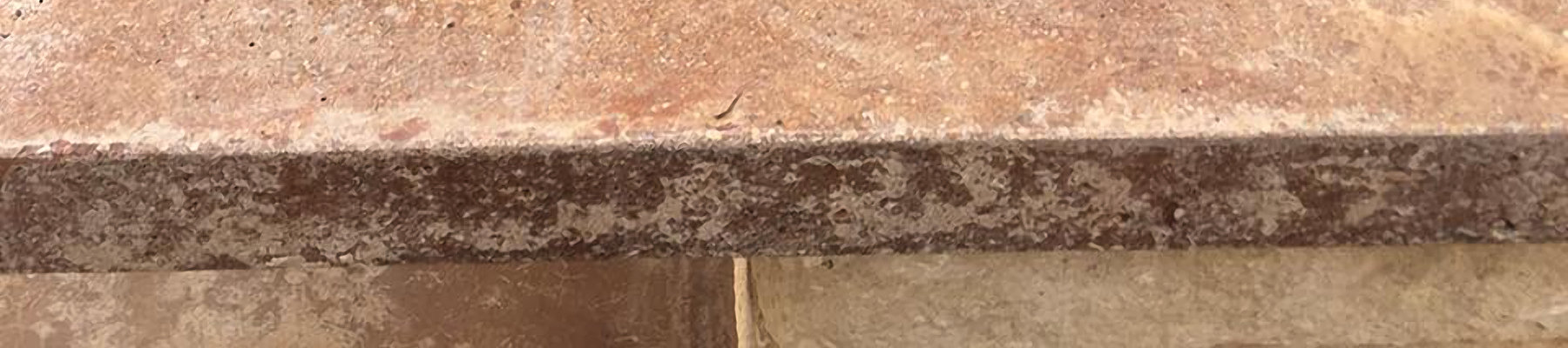
Restoring stone is a craft that not only preserves the beauty of historical structures but also enhances the worth of our homes. With stone restoration sydney growing awareness of green techniques and the value of maintaining our heritage, many residents are discovering the field of stone restoration. Whether a decaying exterior, a worn-out patio, or intricate interior stonework, revitalizing these surfaces can rejuvenate into our interiors while maintaining their original charm.
Nonetheless, embarking on the journey of stone restoration can be daunting without the proper guidance. From recognizing when it’s time to restore your stone surfaces to comprehending the typical pitfalls to avoid, this comprehensive guide aims to prepare you with the information you need. We’ll cover key topics such as the ideal methods for caring for your stone surfaces, the skill of conserving historic stone, and the choice between DIY methods or employ professionals. Revealing the value of your stone surfaces has never been more accessible, and it all starts with grasping the skill of restoration.
Typical Mistakes in Rock Refurbishment
One of the most common errors in rock restoration is neglecting to examine the type of stone being restored. Diverse stones have distinct properties that influence their sturdiness and maintenance demands. For instance, chalkstone is less dense than granite and demands different cleaning and sealing methods. Failing to recognize the kind of rock can lead to using wrong cleaning products or methods, eventually causing additional damage than good. To avoid this, take the time to research and grasp the specific characteristics of your rock surfaces.
Another usual mistake is overly aggressive cleaning. Many homeowners mistakenly believe that aggressive scrubbing or using harsh chemicals will yield better results. However, this often leads to deterioration of the surface, etching, or discoloration. Gentle cleaning solutions and techniques should be emphasized to preserve the stone's quality. Consistent maintenance with suitable products is vital, as it helps keep the rock looking its finest while minimizing the requirement for intensive restoration work.
Lastly, incorrect sealing is a mistake that can significantly impact the longevity of restored stone surfaces. Some property owners apply sealants without adequately cleaning the stone first or opt for sealants that are not compatible for the specific stone type. This oversight can result in accumulated dirt and moisture, leading to stains or degradation over time. It is crucial to completely clean and dry the stone before sealing, using a product that fits the stone's specific characteristics. Taking these actions will ensure that your restoration projects are efficient and durable.
Crucial Techniques for Stone Maintenance
One of the key aspects of stone maintenance is consistent cleaning. Depending on the variety of stone, using the correct cleaning agents is crucial to avoid damage. For natural stones like granite, a mild pH-balanced cleaner is often ideal. Avoid harsh chemicals as they can erode the stone’s finish. Using a soft cloth or mop ensures that you don’t scratch the surface, while routine cleaning can prevent the buildup of dust and grime that dims the stone's natural beauty.
Coating the stone is another vital technique to consider in your maintenance routine. Sealing helps to protect the stone from spots and moisture, which can lead to deterioration over time. Depending on the type of stone, the interval of sealing can vary. For example, porous stones such as limestone may require more frequent sealing compared to denser materials like marble. Regular inspections can help you determine when it’s time to reapply the sealant, ensuring your stone surfaces remain in excellent condition.
Finally, addressing minor repairs promptly can save you from bigger issues down the line. This includes repairing chips, cracks, or scratches with appropriate stone filler. Taking immediate action prevents further damage and maintains the aesthetic appeal of your stone surfaces. Additionally, collaborating with professionals for more significant repairs can help you avoid mistakes that could compromise the integrity of the stone. By incorporating these techniques into your maintenance routine, you can ensure your stone surfaces remain stunning and long-lasting for years to come.
The Importance of Structural Soundness in Restoration
As performing stone renovation, maintaining the structural soundness of the materials involved is vital. Stone can often serve as key parts of a building's integrity, notably in old constructions. All restoration projects must emphasize the assessment of the stone's present state, recognizing any defects or damage that may threaten the structure's safety. Neglecting this facet can lead to further deterioration, causing greater and expensive repairs later on.
Alongside preserving the physical safety of the structure, upholding structural integrity also is crucial in the visual appeal of stone restoration. Properly restored stone not only looks beautiful but also augments the overall look and feel of a heritage site. Ensuring that the original characteristics of the stone are kept while bolstering its strength can significantly contribute to the building's cultural significance. Restoration professionals must be informed about the distinct characteristics of the stone types they use and choose the suitable techniques and materials to preserve both utility and form.
At the end of the day, preserving structural integrity while stone restoration is not just about the quick fixes; it is about the long-term sustainability of the structure. A well-renovated stone surface can withstand environmental factors and daily use, ensuring its durability for upcoming generations. As we engage in restoration projects, we must commit to methodologies that maintain the structural soundness of our structures, allowing us to celebrate the past while safeguarding the years ahead.