

Global warming is fundamentally altering our environment, and its impact are becoming progressively clear in multiple aspects of our lives. One significant consequence of these changes in climate is the influence on insect numbers, which can present challenges for homeowners and companies alike. As temperatures rise and weather patterns become more unpredictable, pests are adjusting and altering their behaviors, leading to more common infestations in our houses and neighborhoods.
Grasping the impact of climate change on insect management is crucial for creating successful strategies to keep our living spaces pest-free throughout the seasons. From springtime invaders to winter rodent problems, being aware of how climate fluctuations affect pest behavior can enable us to take proactive measures. This article will explore common household pests, the role of expert pest control, and realistic tips for maintaining a pest-free environment in every season. Let's dive into the critical information you require to safeguard your home and family against these tenacious intruders.
Grasping Insect Habits and Global Warming
Climate change are changing ecosystems throughout the world, and pest species are no exception. Escalating temperatures and shifting weather patterns are establishing more conducive conditions for many frequent household bugs. For illustration, higher winters permit insects like bed bugs and cockroaches to endure and multiply in areas where they previously struggled to establish a presence. As the climate keeps to increase, pests may migrate into new regions, carrying with them a host of problems for pest control.
Additionally, higher precipitation and humidity can heighten the dangers posed by pests. Fungi and fungus prosper in moist conditions, often attracting insects such as cockroaches and ants that can cause significant destruction to properties and buildings. Property owners must be diligent in identifying these environmental changes, as they directly add to the proliferation of pests. Understanding this connection between environment and pest habits is essential for effective pest management tactics.
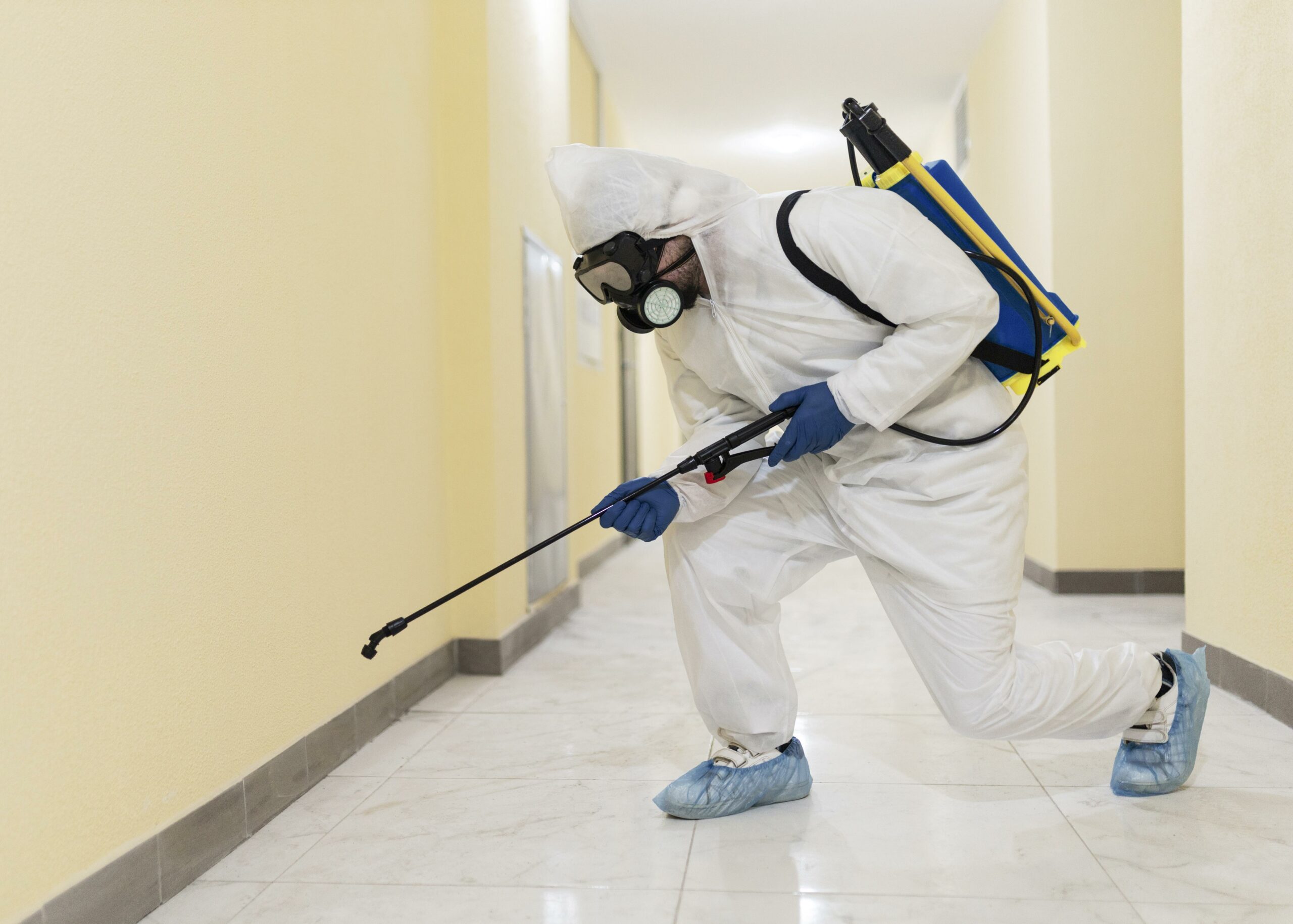
In conclusion, the impact of climate change on pests can also create new difficulties in regulating their groups. Conventional pest control practices may become less effective as pests adapt to changing conditions. For instance, DIY pest control approaches may fail as pests develop resistance to certain treatments. It’s crucial for property owners to stay informed about the developing pest landscape and explore more all-encompassing approaches, including regular professional pest control help, to maintain their houses pest-free all year long.
Efficient Pest Management Strategies
To efficiently handle pest populations in your home, it is important to implement a mix of proactive measures, monitoring, and treatment strategies. Begin by confirming that your home is properly sealed. This includes checking for fissures in walls, gaps around doors and windows, and closing up any openings where pests can access. Ensuring a clean living environment is also crucial; regularly cleaning your kitchen and dining areas reduces food sources that draw pests. Additionally, preventing standing water can assist mitigate many pest issues, especially mosquitoes.
Regular inspections play a crucial role in the early identification of pest problems. By monitoring areas where pests are apt to invade, such as basements, attics, and crawl spaces, you can recognize potential infestations before they escalate. Scheduling professional pest control services regularly can bolster your home’s protection. These experts have the skills and tools necessary to diagnose various pests and carry out efficient control methods that are safe and eco-friendly.
When it comes to treating existing infestations, it is vital to select the right approach based on the type of pest and the seriousness of the problem. For instance, some household pests such as ants and roaches may be effectively managed to baiting systems, while others including bed bugs might call for more thorough treatment plans. Always follow the guidelines for implementation and safety, especially when utilizing chemical treatments. By merging these strategies, you can formulate a robust pest management plan that ensures your home without pests year-round.
Preventive Strategies for Year-Round Pest Management
To keep a pest-free environment all year year, implementing preventive measures is crucial. Begin by sealing all cracks and crevices in your home’s exterior, as these openings serve as entry points for various pests. Ensure that windows and doors fit well and install weather stripping if needed. Regularly inspect your home for indications of pests and address any infestations promptly to prevent further problems.
Additionally, maintaining clean indoor and outdoor areas can greatly reduce the likelihood of pest invasions. Keep food stored in airtight containers and quickly clean up spills and crumbs. Outdoor areas should be kept orderly, with debris and standing water cleared, as these attract pests like mosquitoes and rodents. Proper waste management also plays a crucial role, so confirm trash bins are secured and removed regularly.
Lastly, think about scheduling regular pest inspections with a licensed pest control service. These inspections can identify potential issues before they escalate, offering peace of mind and ensuring that your home remains safe year-round. With https://ozonepestcontrol.com/ and proactive measures, you can successfully manage pest populations and safeguard your living space.