

With the rise in extreme weather occurrences, it has become vital to safeguard our homes and buildings against water damage. Waterproofing is not just a precaution; it is a critical step in protecting your investment and preserving the integrity of your property. Whether facing heavy rainfall, thawing snow, or increasing humidity, the appropriate waterproofing solutions can save you significant repair costs and avert expensive disruptions in your life.
This article will examine the significance of waterproofing amid extreme weather scenarios. We’ll discuss the indicators that suggest your property may require waterproofing and the various techniques at your disposal, we aim to equip you with the knowledge necessary to make informed decisions. Understanding the differences between interior and exterior waterproofing, as well as DIY options versus professional services will better enable you to protect your home successfully. Let’s explore why waterproofing is crucial for every home and building, and how you might bolster your property’s resilience against nature's elements.
Vital H2O-proofing Methods for Dwellings
One of the fundamental techniques for successful waterproofing is foundation waterproofing. This process entails protecting and guarding the foundation from water intrusion. Property owners can choose between interior and outside waterproofing methods, each with its own benefits. Inside Additional resources is often more cost-effective and easier to implement but may not be as effective in severe weather conditions. Outside waterproofing, while more expensive, provides a comprehensive barrier against moisture seepage, ensuring a damp-free and secure living space.
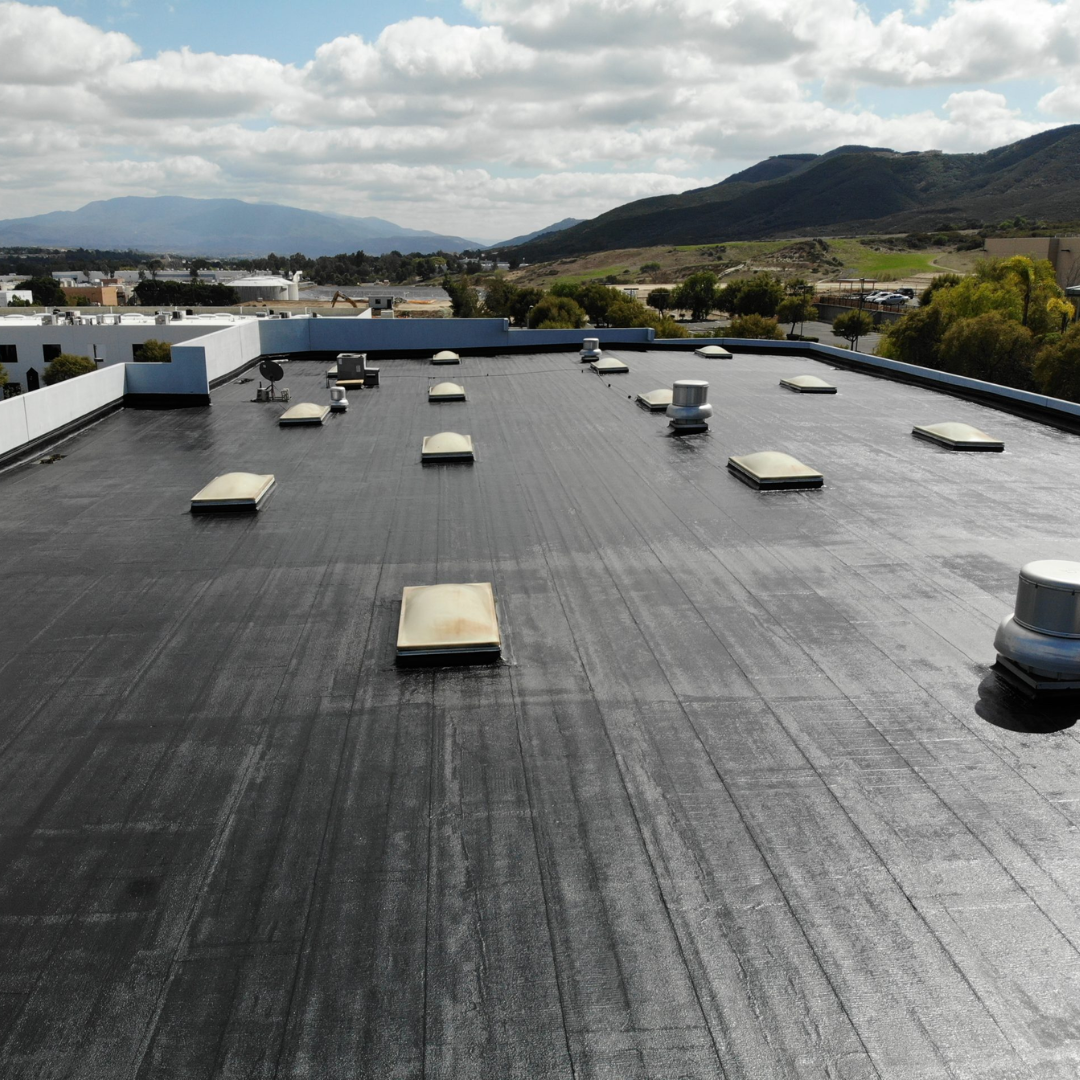
Another crucial technique is roof waterproofing. This consists of the application of membranes or membranes to the top surface to avoid leaks and water issues. A well-waterproofed roof not only prolongs the life of the structure above but also safeguards the property beneath from water-related concerns. Regular maintenance, such as examining for gaps and maintaining proper drain systems, is essential to keep the roof in optimal condition, especially during extreme weather events.
Ultimately, waterproofing your outdoor spaces, such as decks and terraces, is crucial for overall property security. Using moisture-proof finishes and protectants can protect these areas from water damage and extend their durability significantly. Additionally, strategic design and suitable drainage systems will help direct water away from these surfaces, lowering the risk of deterioration and ensuring a enjoyable outdoor environment for years to come.
Cost-Saving Gains of Waterproofing
Investing in waterproofing is a forward-thinking step that can provide savings to homeowners and building managers substantial amounts in the years to come. Water damage often leads to high repairs, which can include addressing mold complications, repairing structural damage, and substituting damaged items such as flooring and furnishings. By putting in place efficient waterproofing measures, property owners can prevent these costs and maintain the stability of their structures.
Additionally, waterproofing can help reduce energy bills by boosting the building's insulation. When moisture invades walls and foundations, it can lead to increased humidity levels, putting a strain on heating and cooling systems. A properly waterproofed space reduces these humidity issues, allowing HVAC systems to function more efficiently. As a result, property owners can see reduced energy costs and a better living environment.
Moreover, waterproofing can enhance the overall property value. Homes and buildings that are adequately waterproofed are often seen as more desirable in the real estate market. Buyers are more likely to buy properties that show a promise to maintenance and care, particularly in areas prone to extreme weather. This added value is a notable return on investment, making waterproofing not just a essential precaution but a prudent financial decision.
Choosing the Right Water resistant Solutions
Selecting the appropriate waterproofing solution for your property or building is vital to ensure effective protection against moisture damage. Understanding the specific needs of your property is the primary step. Factors such as the kind of building, regional climate, and the existing condition of your basement or roofing will affect your choice. It is essential to evaluate whether you need inside or exterior waterproofing options, as well as reflect on the varieties of components used in your structure.
Once you have a distinct knowledge of your building's needs, investigate different waterproofing solutions available in the arena. From films and sealants to layers and diversion setups, each option serves a unique purpose and provides varying degrees of protection. Make absolutely sure to read feedback and obtain guidance from certified waterproofing specialists to help select the best options tailored to your situation. The right choice can greatly improve the lifespan of your building and safeguard it from severe water damage.
Finally, evaluate whether you will perform the waterproofing task yourself or hire experts. While self-help methods can help you money, appropriate application of waterproofing techniques is crucial for efficiency. Evaluate your ability level and the complexity of the task before making a decision. In numerous cases, professional contractors bring expertise and quality assurance that can eventually preserve you time and expenses, ensuring your expenditure in waterproofing is worthwhile in the long run.