

Heritage homes are frequently treasured for their singular architectural features and layered histories, but they also come with specific challenges, notably when it comes to waterproofing. As these properties age, their materials and structures can turn vulnerable to moisture damage, causing high repairs and possible health hazards such as mold and mildew. Recognizing the importance of waterproofing is vital not only for maintaining the aesthetic and soundness of these heritage treasures but also for safeguarding the investment that homeowners have made.
In this article, we will investigate the multiple moisture control challenges faced by old properties and dig into tactics to lessen moisture issues. From identifying signs that your home may need waterproofing to assessing the pros and cons of do-it-yourself approaches versus expert assistance, we seek to provide valuable information for property owners. By addressing the specific issues related to waterproofing in historic homes, we intend to encourage you to make proactive decisions in safeguarding your property from the weather.
The Importance of Waterproofing Historic Homes
Protective sealing is essential for historic homes to protect their structural soundness and avert water damage. These properties often have unique features, such as original materials and craftsmanship, which can be damaged by water infiltration. https://diigo.com/0yy5da can damage the supports, lead to mildew, and cause irreversible damage to walls, underpinnings, and ceilings. Effective waterproofing secures that these vintage properties remain secure and comfortable while maintaining their historical value.
Overlooking waterproofing in historic homes can lead to substantial repair costs down the line. When moisture penetrates into walls or foundations, it can create a cascade of problems, including decay and chipping surfaces. Over time, these small problems can grow, leading to major interventions or even the destruction of historic features. By investing in proper waterproofing techniques, residents can avert potential disasters and conserve thousands in repairs, ensuring their homes remain enduring.
In addition to protection from moisture issues, waterproofing can improve the eco-efficiency of historic homes. By sealing leaks and preventing water penetration, residents can maintain a comfortable indoor atmosphere, lowering dependence on HVAC usage. This not only results in a more enjoyable living situation but also aligns with sustainable practices, making heritage properties adaptable and environmentally responsible.
Typical Damp-proofing Challenges for Historic Structures
Aged structures often face distinct waterproofing issues that require careful consideration and expertise. One notable issue is the presence of outdated materials and construction techniques that may not meet modern waterproofing standards. Many historic homes were built using porous materials such as stone, which can absorb moisture and allow water infiltration. Achieving effective waterproofing in these cases often involves customized methods adapted to preserve the building's integrity while enhancing its resistance to water damage.
Another challenge is related to sinking and movement that aged buildings experience over time. Foundation issues, such as cracks and gaps, can develop, compromising the building's waterproofing solutions. These vulnerabilities can lead to water seeping into cellars, resulting in mold growth and structural damage. Addressing these issues requires a mixture of proper foundation repair techniques and effective waterproofing measures to create a solid barrier against moisture.
Furthermore, the visual preservation of antique homes complicates the waterproofing process. Homeowners often wish to maintain the authentic appearance of their properties, which can limit the types of waterproofing solutions that can be applied. Balancing the need for effective waterproofing with the desire to preserve cultural features requires skilled professionals who understand both the technical aspects of waterproofing and the historical significance of the building. This challenge makes it vital for homeowners to carefully choose waterproofing methods that align with their preservation goals.
Effective Strategies for Preserving Antique Homes
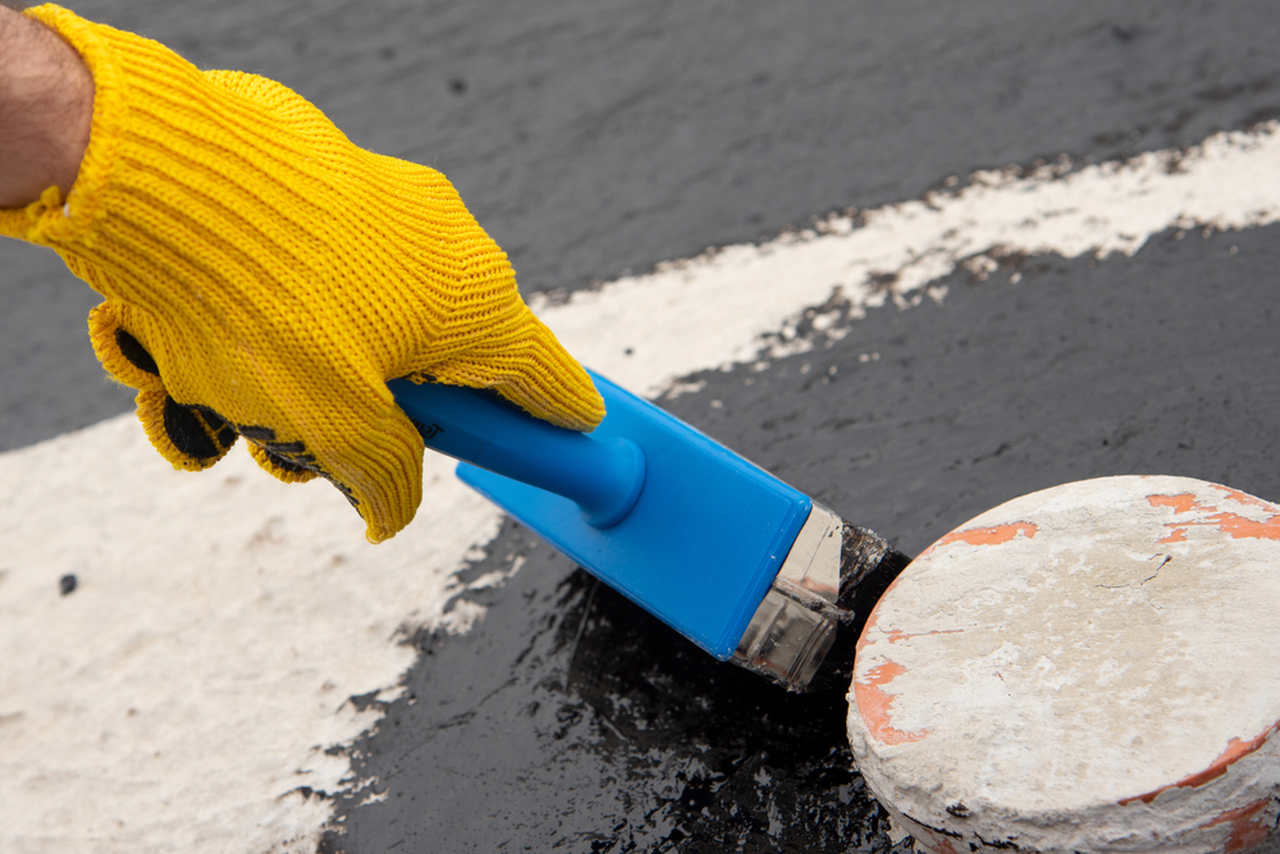
Preserving historic homes demands a meticulous approach to waterproofing that respects their architectural character. Specific materials and methods should be used to ensure that the original features are not damaged during the waterproofing process. For instance, breathable membranes can be used to let moisture trapped within the walls to release, preventing damage while keeping the home waterproofed. This method stops the buildup of moisture that can lead to mold and structural issues without trapping vapor inside the walls.
In addition to breathable membranes, classic masonry techniques can play a important role in waterproofing historic structures. Lime-based mortars and plasters are suitable for older homes as they provide flexibility and breathability that modern materials often do not provide. These materials can help to remove moisture away from the structure while maintaining the aesthetic qualities that define historic architecture. This approach not only shields the building from water damage but also maintains its historical character.
Another efficient strategy for preventing water damage in historic homes is to pay attention to proper drainage and landscaping. Ensuring that gutters and downspouts are working effectively can divert water away from the foundation, while landscaping features like swales and rain gardens can further manage water runoff. By integrating these methods with appropriate waterproofing techniques, homeowners can greatly enhance the resilience of historic properties against water damage, securing their preservation for future generations.