

Waterproofing is an crucial aspect of any building that often goes overlooked until it’s too late. Proper waterproofing protects your investment by preventing damage from water, which can lead to high repair costs and potential health risks due to mold growth and fungus. Whether it's the roofing, foundation, or basement, understanding the most effective waterproofing techniques can prevent significant expenses and guarantee a safe living environment.
As we dive into the ultimate guide to waterproofing, we'll examine the various methods available, dispel common myths, and discuss crucial clues that indicate your property may need immediate attention. From flat roof waterproofing to basement waterproofing, we'll cover everything you must be aware of to effectively safeguard your home against water damage. With our guidance, you can make informed decisions and choose the right approach for your specific needs.
Essential Waterproofing Approaches
One of the most reliable techniques for waterproofing roofs is the use of membrane systems. These membranes can be made from substances such as polyvinyl chloride, TPO, or ethylene propylene diene monomer material. They create a seamless barrier that prevents water infiltration and can readily be set up on flat or gently sloped roofs. Additionally, these solutions come with multiple warranties and can last for many years when adequately maintained, making them a budget-friendly choice.
Another popular method involves implementing liquid waterproofing treatments. These coatings are applied directly to the roof surface and can provide a durable protective layer against water damage. They are particularly ideal for non-standard surfaces and complicated roof shapes. Liquid applications can also offer UV protection and help maintain thermal efficiency in buildings by bouncing back sunlight and reducing cooling costs.
Lastly, roof closure is a crucial waterproofing method that involves the implementation of a seal to seams, joints, and penetrations where water can enter. This method is particularly essential for roofs with many features, such as chimneys or exhausts. Regular maintenance and renewal of sealants can significantly extend the life of a roof and ensure that it remains waterproof, protecting your property and diminishing the need for expensive repairs down the line.
DIY vs. Professional Waterproofing
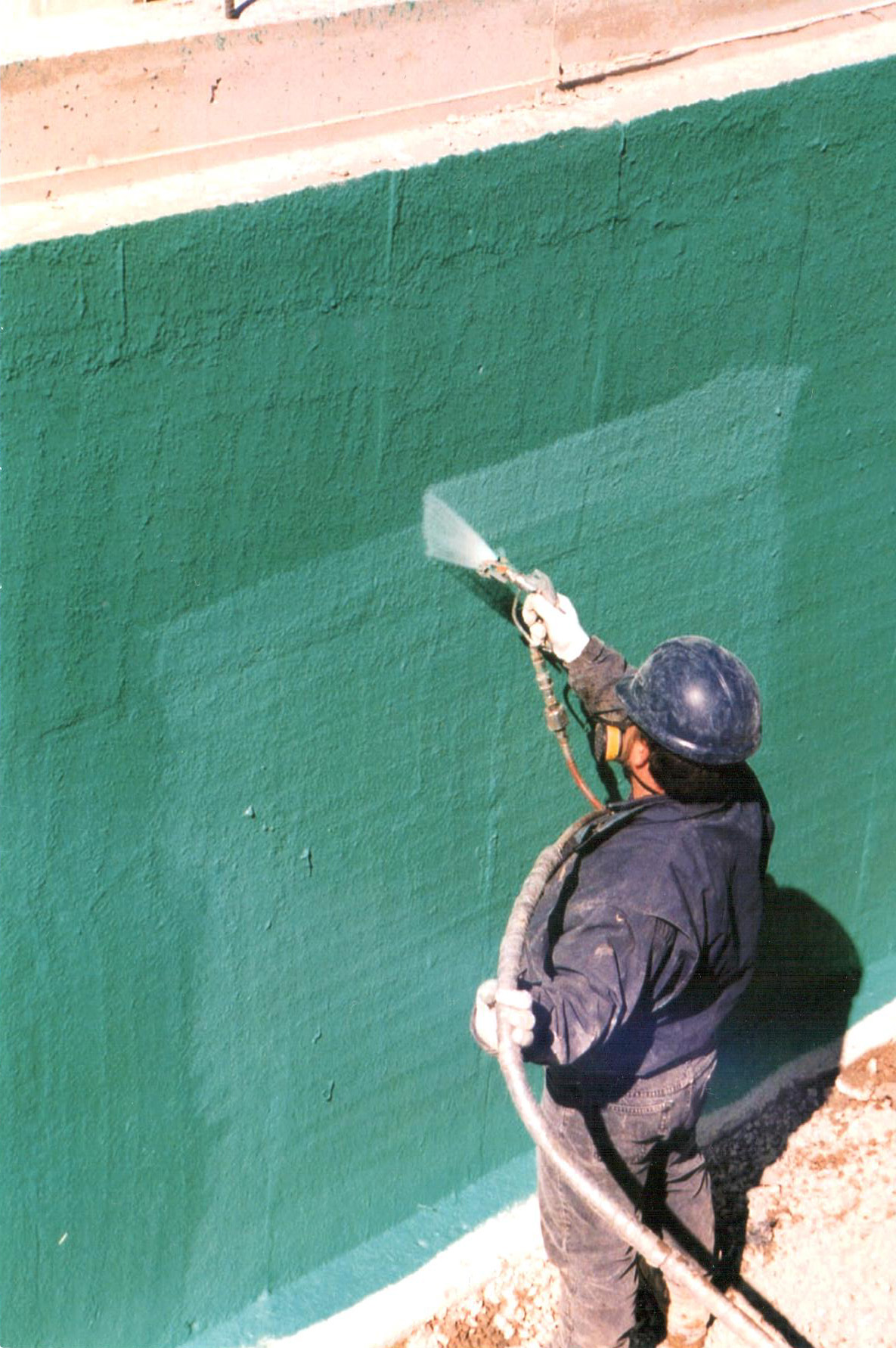
When considering waterproofing for your property, one of the first decisions you need to make is whether to tackle the project on your own or hire a specialist. DIY waterproofing can be a cost-effective option, allowing homeowners to save on expenses related to labor. There are french drain installation for DIY enthusiasts, from sealants to barriers, which can be used with comparative simplicity. However, effective DIY waterproofing requires a solid understanding of the materials and techniques entailed, as well as proper planning to ensure durability.
On the other hand, expert waterproofing services come with the expertise and experience essential to address even the most difficult situations. Professionals have access to advanced equipment and high-quality materials that may not be commonly found to the average homeowner. They can conduct detailed assessments of your property to identify vulnerabilities and apply holistic solutions that reduce the risk of water damage. While this option incurs greater up-front costs, it can ultimately be cost-effective by staving off future repairs due to incorrect installation.
Ultimately, the choice between DIY and professional waterproofing depends on your skill level, resources, and the complexity of the project. If you feel capable in your abilities and have a small area to waterproof, a Do-It-Yourself approach might be suitable. However, for more extensive projects or areas with substantial water exposure, hiring a professional can ensure that the job is done right, safeguarding your investment and providing peace of mind.
Cost of Ignoring Waterproofing
Disregarding waterproofing in your building can lead to significant financial setbacks. Water damage often manifests in the form of fungal growth, weakened structural integrity, and deteriorated materials, all of which can be expensive to remedy. Homeowners who overlook preliminary signs of water intrusion may find themselves dealing with extensive renovation projects, which can consume their savings and cause disruptions in their daily lives. The cost of fixing water-related issues typically far exceeds the investment in proper waterproofing solutions.
Furthermore, ignoring waterproofing can have a lasting impact on property value. Water damage can lead to lowered appraisal values and make the property more difficult to sell to potential buyers. Most likely homeowners conduct comprehensive inspections before purchasing, and the discovery of water damage can deter buyers or lower their offers significantly. In many cases, properties with a background of leaks or water damage remain on the market longer – a scenario that translates to lost opportunities and financial losses for sellers.
Ultimately, the emotional toll should not be overlooked. Dealing with water damage can be very stressful. It frequently requires prompt decisions when it comes to repairs and can disturb the day-to-day lives of those affected. Opting for waterproofing as a preventive measure can provide calm and help avoid the chaos associated with managing water damage later on. Investing in waterproofing at this moment ensures a safer living environment for the long term.