

Water proofing is a crucial aspect of home maintenance that commonly gets ignored. Many homeowners fail to realize the importance of keeping their homes safe from water damage, which can lead to costly repairs and long-term structural issues. Grasping why waterproofing is necessary for all home and structure is the first step towards guaranteeing a secure and dry environment for your loved ones. With the potential to save thousands in repairs, the gains of waterproofing significantly exceed the upfront investment.
In this comprehensive guide to waterproofing, we will cover everything you need to know about protecting your home from water damage. Whether you're dealing with a watery basement, a vulnerable roof, or humidity-prone areas like restrooms and kitchens, our list will provide you with the information you need to take action. From debunking common waterproofing myths to recognizing the signs that your house needs fixing, we have you included. Let's dive into the crucial strategies for waterproofing achievement and make your house a fortress against water.
Understanding the Essential Nature of Water Resistance
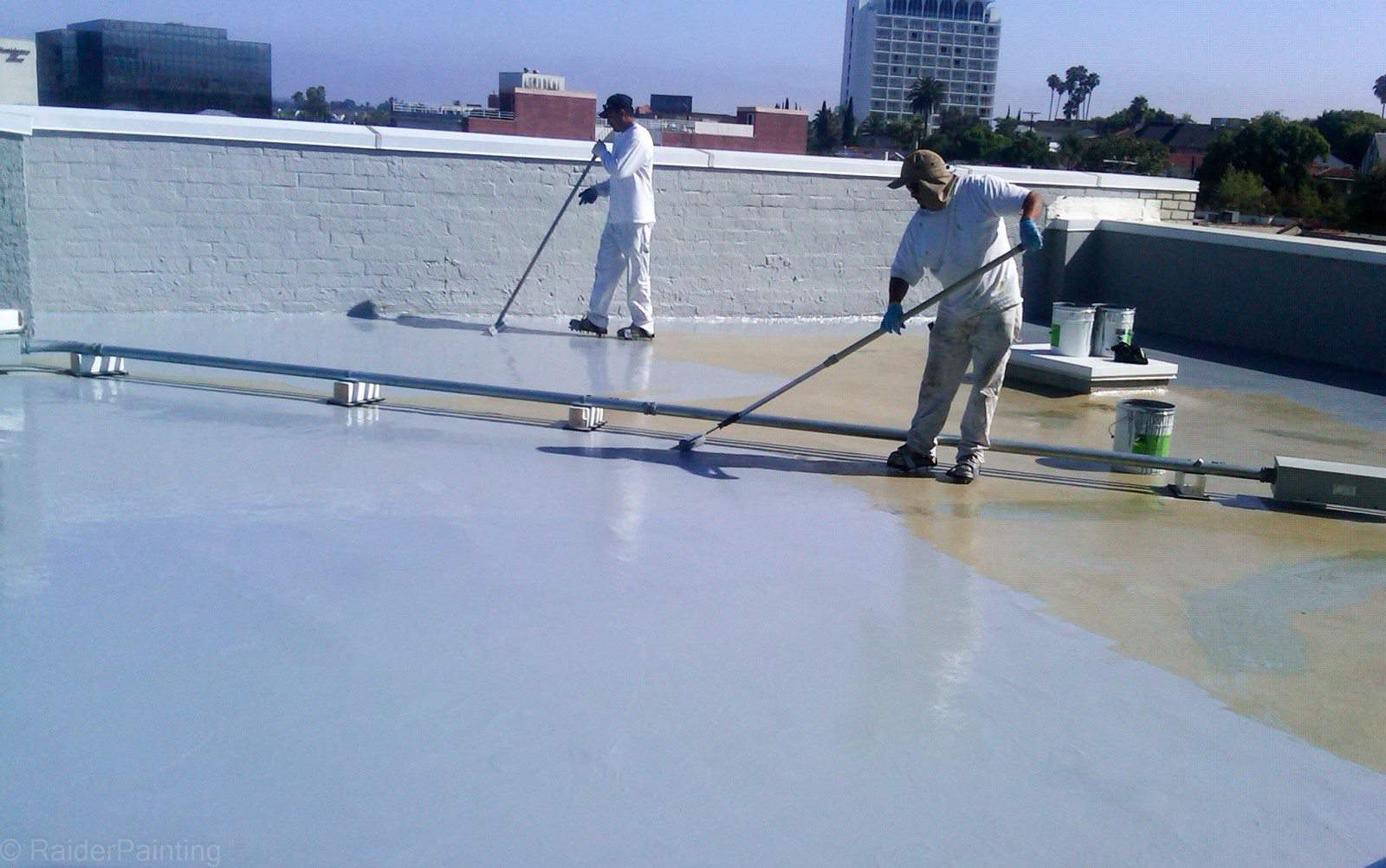
Waterproofing is an critical aspect of house and building maintenance that often goes overlooked. Without adequate waterproofing, a structure is prone to moisture damage, which can lead to construction problems, mold growth, and financial burdens. By implementing waterproofing methods, residential caretakers can safeguard their properties and improve the overall sturdiness of their buildings.
One of the key reasons waterproofing is vital is the avoiding of water intrusion. Whether it's through the base, top, or sides, water can leak into a building, causing harm that may not be evident right away. By tackling these potential infiltration sites, caretakers can steer clear of major financial burdens related to restorations and renovations in the coming time. Not only does waterproofing protect against present risks, but it also serves as a proactive measure against upcoming threats.
Additionally, effective waterproofing contributes to energy savings in structures. When moisture is managed, the likelihood of thermal inefficiency due to moisture is minimized, resulting in diminished temperature regulation costs. Spending on leaky basement protects your building but also offers financial benefits through possible reductions, making it an crucial consideration for any homeowner.
Essential Waterproofing Techniques and Solutions
Effective waterproofing starts with a comprehensive evaluation of your property to recognize susceptible areas. For basements, applying waterproof finishes and membranes on sides and floors can prevent moisture infiltration. Interior strategies such as drainage systems and sump pumps assist manage water invasion by redirecting it away from key areas. Additionally, confirming that gutters and downspouts are functioning well can minimize water gathering near your foundation.
When dealing with roofs, choosing the right waterproofing materials is essential. Liquid waterproofing membranes are widely-used for flat roofs, as they provide a uninterrupted barrier against leaks. For sloped roofs, opting for quality waterproofing coatings can defend against extreme weather and extend the lifespan of roofing materials. Regular maintenance is critical, including reviewing for cracks and making sure seals around vents and chimneys are uncompromised.
Finally, waterproofing outdoor structures such as decks and patios requires particular techniques to boost durability. Utilizing sealants formulated for exterior surfaces can stop water damage and improve life span. For balconies and terraces, proper drainage systems are crucial to avoid water pooling and resulting structural issues. By using these techniques, homeowners can ensure comprehensive protection from water-related problems.
Making Educated Decisions: DIY vs. Professional Waterproofing
When evaluating between the options of DIY and expert waterproofing, it is important to evaluate your skills, the complexity of the project, and the potential risks involved. DIY waterproofing can be inviting due to the reduced costs and the satisfaction of finishing a home improvement project. However, many homeowners underestimate the intricacies involved in properly waterproofing areas like cellars or roofs. Aluneed basement waterproofing committed during a DIY project can lead to greater issues down the line, possibly costing more in repairs than if a qualified expert was employed from the beginning.
Conversely, hiring a professional waterproofing contractor provides that the job is done correctly and effectively. Professionals provide expertise, specific tools, and the availability of high-quality materials that the average homeowner may not have. In addition, they can detect hidden issues that may not be clearly visible to an untrained eye. This level of thoroughness can save homeowners time and costs over the long term by preventing problems such as mildew growth, structural damage, and possible health hazards from water intrusion.
In conclusion, the choice between DIY and professional waterproofing should hinge on your level of comfort with home improvement projects, the specific requirements of the waterproofing task at hand, and your financial limits. If the project is clear-cut and you possess the necessary skills, DIY may be the way to go. However, for trickier challenges or if you are in doubt, investing in professional services is often the wiser choice, providing peace of mind and durable results.